
 Chrissy Y
 …It Is About Who We Become
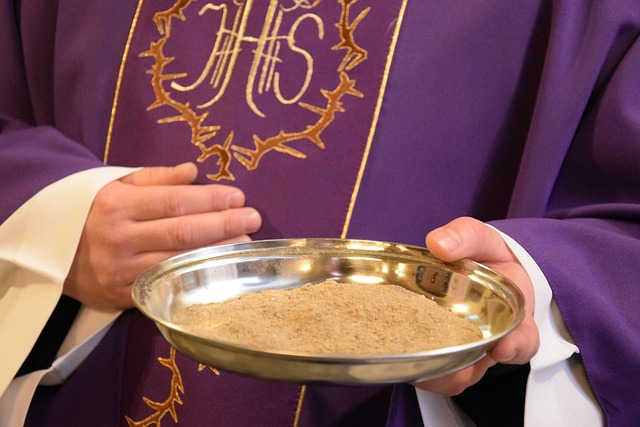
Every year, as ashes are traced across our foreheads and the words echo, “Remember that you are dust…”, we ask the familiar question: What am I giving up?
Chocolate. Coffee. Social media. Meat.
But Lent has never been about the chocolate.
It has always been about the heart.
If our sacrifices disappear on Easter morning, then they were only interruptions — not conversions. Lent is not meant to inconvenience us for forty days. It is meant to free us.
I. Detachment: Not Just Giving Up Social Media, But Giving Up Compulsion
Social media is not inherently evil. It can evangelize. It can build community. It can spread truth.
But when scrolling becomes instinctive… when silence feels unbearable… when prayer is replaced with distraction — the issue is no longer the platform. It is attachment.
Lent invites us to examine what owns our attention.
The Church calls this virtue temperance — the training of desire so that our impulses do not rule us. We fast not because something is bad, but because we want to be free. Freedom requires discipline. Discipline requires practice.
Perhaps the deeper fast is not deleting an app, but surrendering the addiction to constant stimulation. Learning to sit in quiet. Learning to be unseen. Learning to let God fill the space we usually crowd with noise.
The goal is not forty days without scrolling.
The goal is a reordered heart.

II. Discipline: Not Just Giving Up Meat, But Giving Up Gluttony
For some, abstaining from meat is a real sacrifice. For others, health or circumstance already limits the diet. The question Lent asks is not simply What are you eating? but Why are you eating?
Gluttony is not merely excess quantity. It is disordered desire. It is eating out of boredom. Snacking to soothe emotion. Living for the next indulgence. Seeking comfort in food rather than in Christ.
When we accept even a small hunger voluntarily, something shifts. We feel a fraction of the ache that millions do not choose. That hunger can become prayer. It can become intercession. It can become solidarity.
Fasting teaches the body that it is not the master.
It teaches the soul that God is enough.

III. Almsgiving & Mercy: Love That Costs Something
Lent is not only about fasting. It is also about giving.
Prayer. Fasting. Almsgiving.
These are the three pillars of Lent — not suggestions, but a path.
As the Gospel of Matthew reminds us in chapter 6, Christ speaks of these together — when you pray, when you fast, when you give to the poor. Not if. When.
Almsgiving is not merely writing a check once a year. It is cultivating a posture of generosity.
Perhaps it looks like keeping small snack bags in your car — granola bars, water bottles, socks — ready to hand to someone at a stoplight. Not as a transaction, but as recognition. Eye contact. A smile. Dignity restored in a moment.
Perhaps it means volunteering at a local food bank. Serving at a parish outreach. Donating regularly to organizations like Catholic Charities USA that serve the poor, the refugee, the mother in crisis, the elderly, the forgotten.
Maybe it begins simply by opening your closet and asking: What am I holding onto that someone else needs more than I do?
The Corporal Works of Mercy are not abstract theology. They are embodied love. Feed the hungry. Clothe the naked. Visit the sick. Shelter the homeless.
As the Letter of James reminds us, “Faith without works is dead.”
Love must move.
And when it moves, it stretches us. It inconveniences us. It changes us.

IV. Communion: Sitting With Christ in His Passion
Lent leads us somewhere.
It leads us to the Cross.
This is the season to linger longer in prayer. To sit in Eucharistic Adoration. To walk the Stations slowly. To go to Confession more frequently. To attend daily Mass when possible. Not as obligation, but as response.
Holy Week is not a performance we observe. It is a mystery we enter.
We sit near Christ in His suffering. We allow His wounds to illuminate our own. We remember that He did not give something up for forty days.
He gave everything.
And in the light of that gift, our small sacrifices take on meaning.

V. Transformation: Lent as Training for Freedom
Lent is not self-improvement.
It is surrender.
It is allowing grace to reveal where we are ruled by comfort, distraction, excess, pride, or control — and gently untangle those knots.
The question shifts from What am I giving up? to:
What in me needs to be surrendered?
What attachment is keeping me from deeper holiness?
Where am I resisting freedom?
Because that is the true aim of Lent.
Not deprivation.
Freedom.
Freedom from compulsion.
Freedom from excess.
Freedom from indifference.
Freedom to love more fully.
Lent is not about what we lose.
It is about who, by God’s mercy, we are becoming.